
The Owning Nothing Economy is slowly becoming normal, and most of us don’t even realise it. I was looking for a book on Amazon last week. The paperback was ₹499. Just below it, the Kindle version was ₹199. And then one more option appeared: “Read for free with Kindle Unlimited.” For ₹169 per month (and 30 day free trial), I could access not just this book, but thousands of other best sellers instantly. No delivery. No waiting. Just read it!!
At first, it feels smart. Why spend ₹499 when you can read it for “free”? But then I paused. If I buy the book, it stays with me. I can underline it, lend it, keep it on my shelf for years. With Kindle Unlimited, the moment I stop paying, the book disappears. I didn’t buy knowledge. I rented access. That small shift — from ownership to subscription — is the core idea behind the Owning Nothing Economy, and it may be costing us more than we think.
How Did We Get Trapped in the Subscription Economy?
Subscriptions feel like a new problem, but they are not new at all. Even newspapers were subscriptions. Milk delivery was a subscription. Cable TV was a subscription. We were always paying monthly for something.
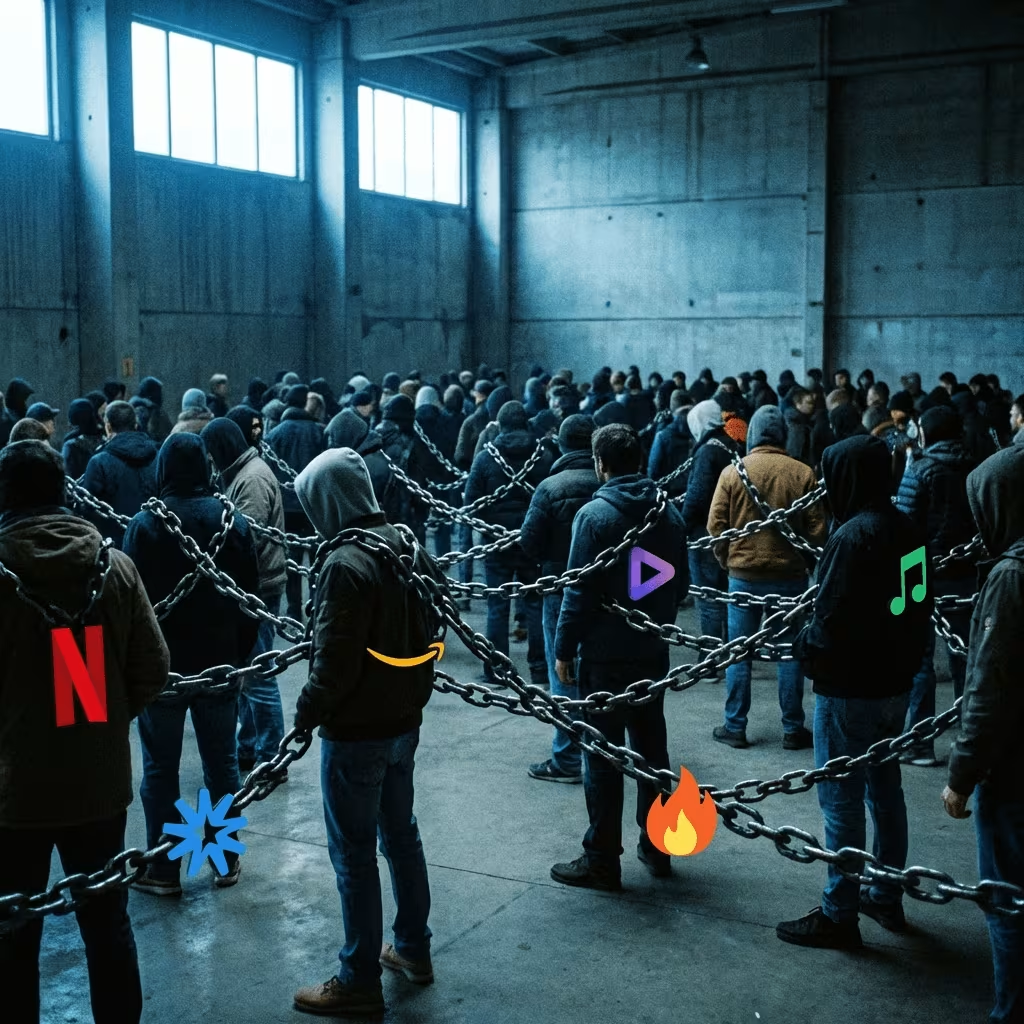
The real shift happened with the internet. And more than the internet, the smartphone. Once everything moved into our pockets, the subscription model became powerful. Earlier, we bought CDs. Now we stream on Netflix and Spotify. Earlier, we bought software once. Now we pay every month to use it. The idea slowly changed from ownership to access. It felt reasonable. Why buy one movie when you can access thousands for a small fee?
And honestly, it did feel fair in the beginning. A small monthly payment for unlimited content. It looked like progress. But what we didn’t notice was the deeper change. When we stop owning things, we stop controlling them. We can only use them as long as someone allows us to. We stepped onto a system that runs on recurring payments. And over time, that system started running us.
What’s the Real Price You Pay for the Convenience of Owning Nothing?
There was a time I used to buy DVDs and VCDs every month. I am a movieholic, by the way. One disc would cost around ₹100. If I bought 4–5 every month, that’s roughly ₹500. In a year, I was spending around ₹5,600 to ₹6,000. But I had something to show for it. A growing shelf. A collection. I could rewatch anytime. Lend it to a friend. Keep it for years.
Then Netflix arrived.
₹199 per month. Unlimited movies.
It felt like a revolution. Why spend ₹6,000 a year buying DVDs when I could watch thousands of movies for around ₹2,400 a year? It looked smarter. More efficient. No storage. No scratches. Just click and play.
Then reality adjusted.
Some movies were not on Netflix. So I subscribed to Hotstar. ₹999 per year. Still felt reasonable. Then came the ad-free version — ₹1,499. Otherwise, ads every 10 minutes. Then maybe Amazon Prime. Maybe MUBI for art films.
Slowly, my “one smart subscription” became three or four.
And here’s the interesting part.
Earlier, I spent ₹6,000 and owned my collection. Today, I might spend a similar or higher amount every year — but if I stop paying, everything disappears.
No shelf. No Collections.No ownership. No backup.
Just access and temporary download option.
Free Trial or Freemium Trap
Most of us sign up thinking, “I’ll cancel later.” Let’s give it a try. Sometimes we forget. Sometimes we delay. And after a few months, that subscription just becomes part of life. It stops feeling like an expense.
For 5 months, I paid Netflix and watched only one series.
This isn’t an accident; it’s the business model. Companies have figured out that we, as consumers, are often inattentive. We sign up for a free trial, forget to cancel, and the small monthly charges just become background noise.
Research has shown that companies can earn up to 200% more revenue from these “inattentive subscribers.” It’s a model built on our inertia, and it’s incredibly profitable. The convenience of a low monthly payment is an illusion that masks a much higher lifetime cost, a core tenet of the owning nothing philosophy.
That gap — between what feels cheap today and what becomes expensive over time — is not a mistake.
It’s the foundation of the owning nothing economy.
Why Are Companies So Addicted to the Subscription Model?
If you want to understand why every company on earth is pushing subscriptions, you just have to follow the money.
For investors, recurring revenue is the holy grail. It’s predictable, it’s stable, and it shows a sticky customer base. Adobe is the poster child for this. I remember when you could buy Photoshop for a one-time fee. It was expensive, sure, but you owned it.
Then, in 2012, they launched the Creative Cloud. Suddenly, you had to pay a monthly fee to access the same software. The backlash was huge, but Adobe’s revenue soared.
In 2024, it hit $21.5 billion, over five times what it was before the subscription model. They’re not just selling software; they’re selling access, and they can turn that access off the moment you stop paying.
And it gets darker. Companies use what are called “dark patterns” to make it incredibly difficult to cancel. They hide the cancellation button, force you into long phone calls, and hit you with massive early termination fees. The FTC even sued Amazon and Adobe for these deceptive practices.
One Adobe executive reportedly described their cancellation fee revenue as being like “heroin” because the company was so addicted to it. This isn’t about customer service; it’s about trapping you in a payment cycle for as long as possible.
My Experience with Total AV and Their Misleading Offers
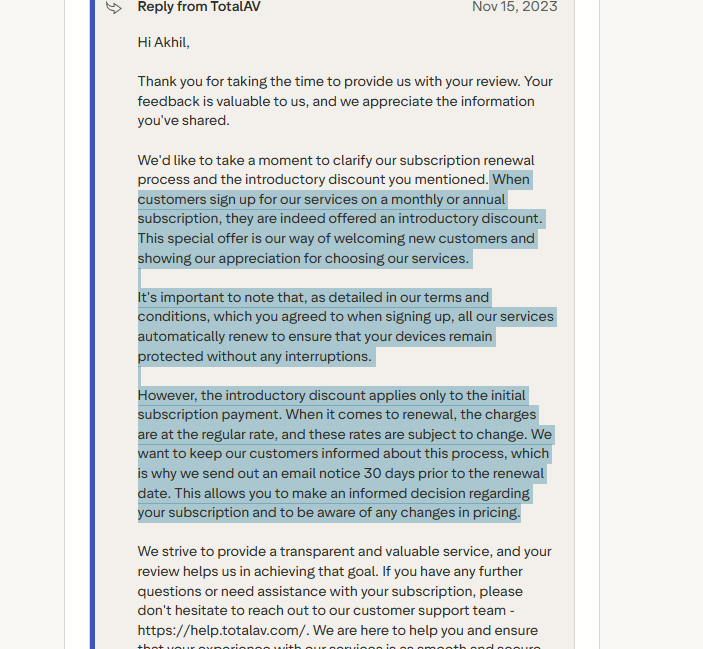
I once signed up for TotalAV. They offered a trial for $1. Fair enough. I wanted to test it. Within 24 hours, I cancelled. At least, I thought I did.
Then I was charged $19.
When I emailed them, the explanation was interesting. According to their logic, I had cancelled the trial — but not the subscription. The $1 was an introductory price applied to the subscription. So technically, I had to cancel two things. The trial. And the subscription behind it.
Now think about that for a second.
As a user, when you click “cancel trial,” what do you assume? That everything stops. But in this structure, cancellation is layered. The interface gives you one mental model. The backend operates on another.
Even after emailing them multiple times, the process was not straightforward. At one point, they said they couldn’t even locate the account unless I provided additional payment details. (I’ll attach screenshots for clarity.)
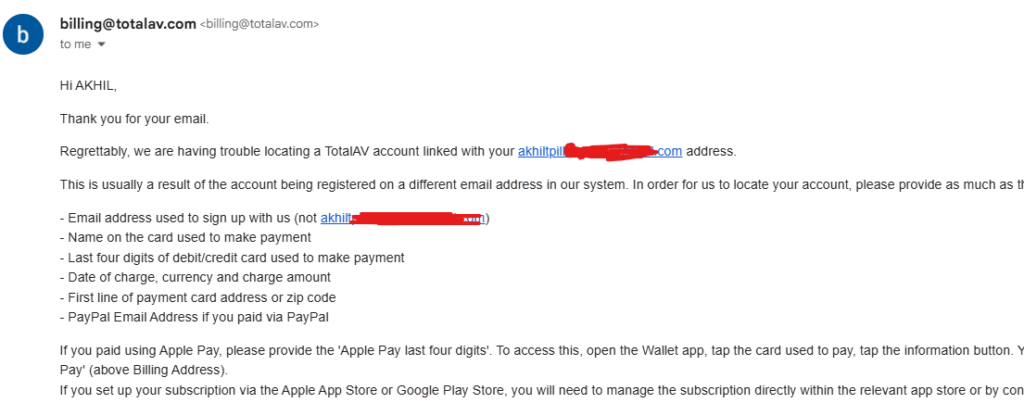
This is not illegal in a dramatic sense. It is structured carefully within terms and conditions. But it is designed in a way where confusion benefits the company.
Most people won’t fight for $19.
We won’t read every clause.
Most of us won’t follow up repeatedly.
That’s the point.
It’s not about one large hidden fee. It’s about small friction. Extra steps. Slight ambiguity. Psychological fatigue. And over thousands or millions of users, that friction becomes revenue.
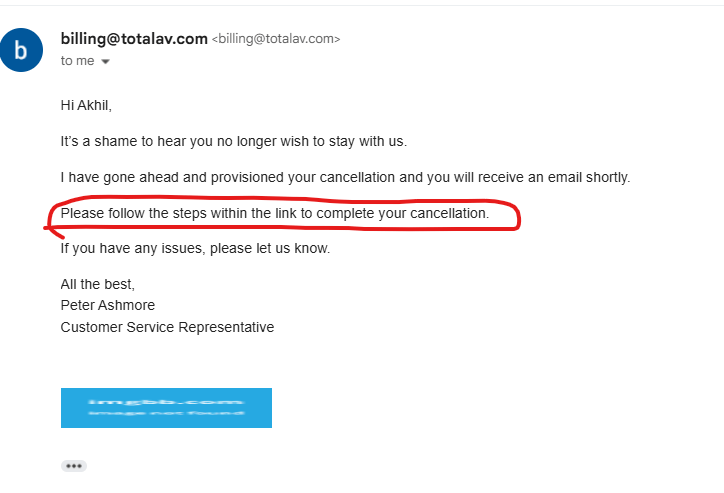
This is how customer inertia being monetised.
And that is a core feature of the owning nothing economy — not a bug.
What Do We Lose When We Are Owning Nothing?
This is the part that bothers me the most.
The financial cost is one thing, but the erosion of ownership is a much bigger, more philosophical problem. When you stream a movie on Netflix, you don’t own it. You can’t lend it to a friend, you can’t resell it, and you can’t pass your digital library down to your kids.
The company controls your access, and they can change the terms at any time. Remember when Netflix cracked down on password sharing? That was a stark reminder of who’s really in charge. The dream that tech companies have been chasing for decades is the complete elimination of secondary markets. They want to be the only ones who can sell you their product, every single time.
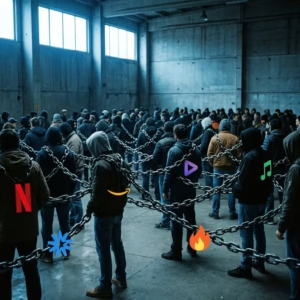
This is a kind of digital feudalism. A handful of powerful tech and media companies act as landlords, and we are the tenants, perpetually renting access to the tools and culture that shape our lives.
In this world of owning nothing economy, we don’t have control over the products we use every day. A software update can remove a feature you love, or worse, brick your device entirely if the company decides to stop supporting it. I am scared of my phone updates. We are sacrificing control for convenience, and I’m not sure we’ve fully grasped the long-term consequences of that trade.
Is There a Backlash Against the ‘Owning Nothing’ Economy?
Thankfully, it seems like people are starting to wake up.
I remember there was a campaign by Kerala Government with a tagline – ‘ഉണരൂ, ഉപഭോക്താവേ ഉണരൂ’ (Wake up, consumer, wake up). It’s the time to wake up.
You can see it in small ways. Vinyl records are coming back. Physical books are still selling strongly. Board games are popular again. Even film cameras have returned. In India too, there’s a visible shift — people building home libraries, collecting Blu-rays, buying limited-edition prints.
Why?
Because physical things feel real.
When you hold a vinyl record, you’re not just listening to music. You’re owning it. When you buy a book, it becomes part of your space. It sits on your shelf. It carries your notes, your memories. No subscription expiry date attached.
This isn’t about nostalgia.
It’s about permanences.
Those movie files in your hard drive represent a fundamental human need for permanence and control. They remind us that we don’t have to let an algorithm dictate our taste or a corporation dictate our access. The choice to buy a physical object is a small act of defiance, a declaration that we still believe in the value of ownership.
Ultimately, the subscription economy isn’t going away. But as consumers, we have to be smarter. We have to do the math, read the fine print, and ask ourselves if the convenience of a monthly payment is worth the long-term cost and the loss of control.
The dream of owning nothing economy might sound simple and minimalist, but in reality, it’s a very expensive and disempowering way to live.
And the real question is simple:
Are we choosing convenience?
Or are we slowly giving up control without noticing?
Read more Neuromarketing thoughts here.
Why ‘Owning Nothing’ is a Trap, and How It’s Making You Poorer